Pancreatitis Dietitian and Nutritionist in Mumbai
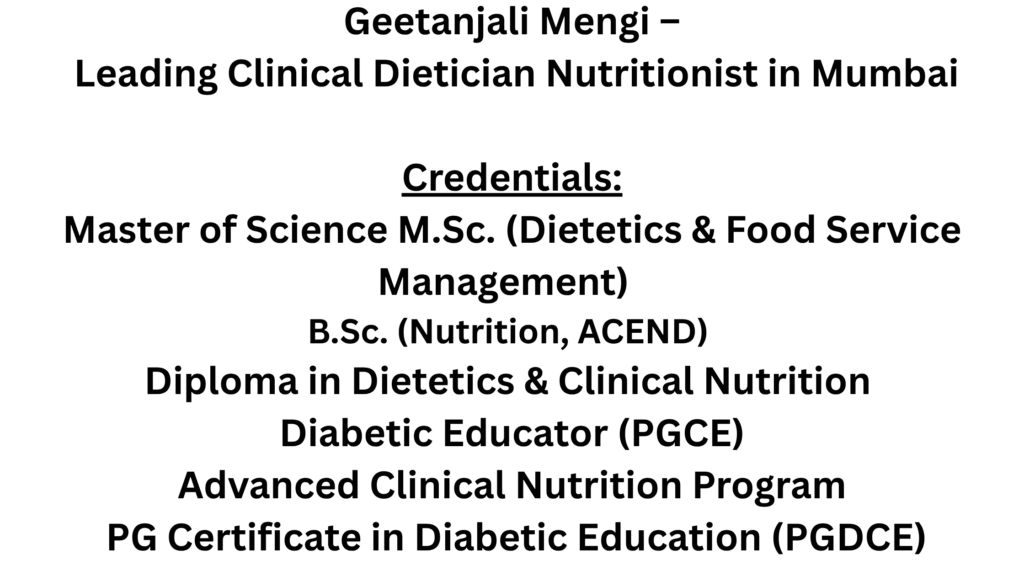
Dietician Nutritionist Geetanjali Mengi based in Mumbai helps to manage Pancreatitis by giving the personalised diet plan going through medical reports and current conditions for healthy body and system.
Get Personalised food plans for-
Dyspepsia (Indigestion)
Peptic Ulcers
SIBO Nutritionist
Gastritis Nutritionist
FODMAP Nutritionist
Gastroparesis Nutritionist
IBS Nutritionist
Crohn’s & Colitis Nutritionist
GERD & Acid Reflux Nutritionist
Diverticulitis Nutritionist
Dysphagia Nutritionist
Gallbladder Nutritionist
Post-Cholecystectomy Nutritionist
Post-Ileostomy Nutritionist
Pancreatitis results from the auto-digestion of the pancreas by activated pancreatic enzymes with the following characteristics.
• Acute pancreatitis: severe pain, nausea, vomiting leading to pseudocysts, fistulae, shock, renal failure.
• Chronic pancreatitis: severe pain, weight loss, malabsorption secondary to lack of pancreatic enzymes.
Nutritional management of pancreatitis
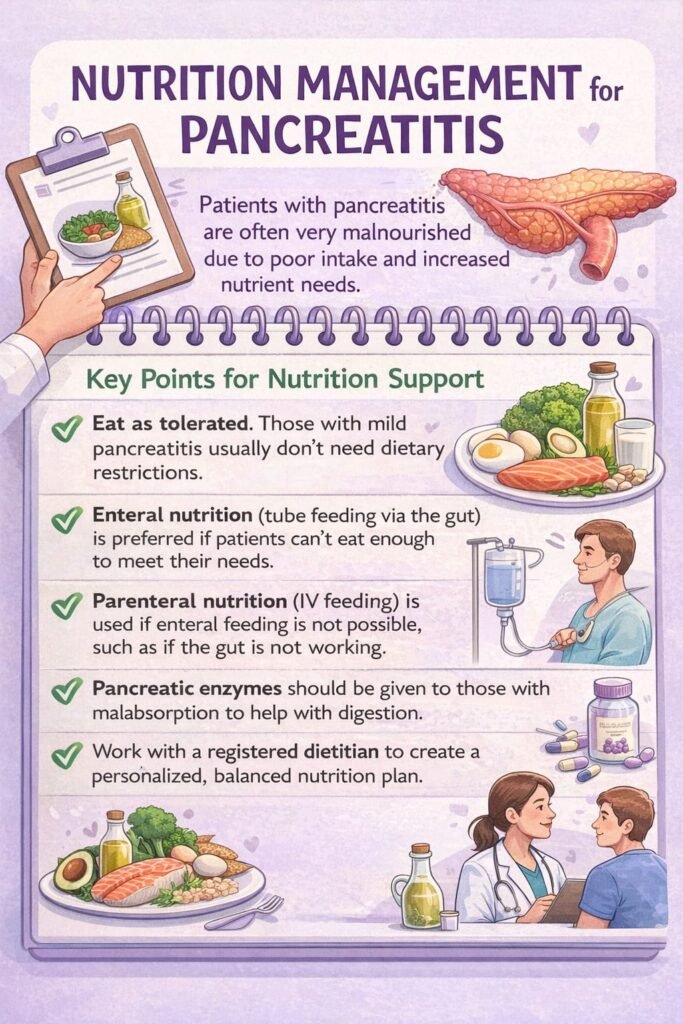
Patients are frequently very malnourished as a result of:
• Poor intake due to lack of appetite and severe pain;
• Malabsorption of nutrients consumed;
• Frequent episodes of nil by mouth during treatment;
• ↑ Requirements due to catabolic state.
Providing adequate nutritional support is paramount in supporting these patients and, because of the difficulties associated with achieving this, input from a registered dietitian with expertise in this area is required.
Key points for nutrition support
• Patients with mild pancreatitis require no dietary restrictions and, if well enough to eat sufficient, will not benefit from enteral nutrition.
Key points for dietary advice
• Patients with a poor appetite may benefit from practical advice about increasing oral intake.
• If malabsorption is present, advice should be given about pancreatic enzyme replacement.
• Low fat diets have little role to play in the treatment of pancreatitis as they will exacerbate energy depletion and steatorrhoea should be controlled by pancreatic enzyme replacement.
• Approximately one-third of patients with chronic pancreatitis will develop diabetes mellitus; a compromise should be reached between dietary advice to optimize blood sugar and to enhance intake to maintain body weight or reverse weight loss.
• Abstaining from alcohol is advisable as continuing alcoholism is associated with ↑ morbidity and mortality.
Free Consultation – Start Your Wellness Journey Today
Book a complimentary, no-obligation phone consultation and discover how we can help you achieve your health goals. During this call, we will:
* Give you a clear overview of how our nutrition program works
* Understand your personal health goals and expectations
* Explain our pricing, packages, and payment options
* Clarify how insurance coverage may apply
* Help you choose the right practitioner for your needs
* Answer all your doubts and questions
* And guide you with anything else you may need
Take the first step toward a healthier, happier you—your free consultation awaits!