Best Foods to Keep Your Liver Healthy — Advice from Dietician Geetanjali Mengi
Your liver works constantly — filtering toxins, metabolizing nutrients, balancing hormones, and supporting digestion.
For such a hardworking organ, a good diet can make all the difference. As a dietician grounded in evidence-based nutrition and holistic wellness,
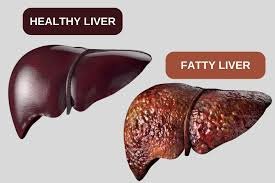
I often emphasize the power of food in preserving liver health and preventing fatty liver or other liver conditions.
Here’s a guide to the best foods you can include in your meals regularly to keep your liver functioning optimally.
Leafy Greens & Cruciferous Vegetables
Leafy greens (like spinach, methi, mustard greens) and cruciferous vegetables (such as broccoli, cauliflower, kale) are rich in antioxidants, chlorophyll, fiber and natural detox compounds.
These vegetables support liver function by:
* enhancing bile flow and helping your body flush out toxins more effectively
* promoting production of natural antioxidants (like glutathione), which protect liver tissue from oxidative damage
* reducing fat accumulation, improving metabolism and supporting healthy digestion.
Try to include a serving of leafy greens or cruciferous veggies in your meals most days — for example, in dals, stir-fried sabzi, salads or soups.
Healthy Fats: Fatty Fish, Nuts and Olive Oil
Healthy fats play a very important role in liver wellness.
* Fatty fish like salmon, mackerel, sardines or tuna are rich in omega-3 fatty acids, which have anti-inflammatory effects. Regular consumption of such fish has been linked to lower liver fat, better liver enzyme levels, and reduced risk of fatty liver disease.
* Nuts — especially walnuts, almonds and other nuts/seeds — are excellent sources of plant-based healthy fats, fiber, vitamin E, and antioxidants. Several studies suggest that people who eat nuts regularly have lower risk of non-alcoholic fatty liver disease (NAFLD).
* Extra-virgin olive oil (EVOO) is a gentle, antioxidant-rich oil that supports healthy liver metabolism. EVOO may help reduce fat accumulation in the liver, lower oxidative stress, and improve insulin sensitivity.
Use olive oil for cooking or drizzling over salads; include nuts as snacks or in meals; and aim to eat fatty fish once or twice a week
Antioxidant-Rich Fruits & Berries
Fruits and berries are often undervalued but powerful when it comes to supporting liver health.
* Berries (blueberries, raspberries, cranberries, etc.) are loaded with antioxidants — particularly anthocyanins and polyphenols — which help neutralize free radicals and reduce inflammation in liver tissue.
* Other fruits like grapes or citrus (in moderation) also contribute antioxidants and fiber; these nutrients aid in reducing oxidative stress, help regulate fat metabolism, and support overall liver detoxification.
Tip: Add a portion of fresh fruits or a handful of berries to your breakfast or dessert. Smoothies, fruit-with-nuts, or fresh fruit salads are great choices.
Whole Grains, Legumes & Fiber-Rich Plant Foods
A diet rich in whole grains, pulses (like dals, lentils, chickpeas) and fiber-rich plant foods helps maintain stable blood sugar, reduces fat accumulation, supports healthy digestion and takes stress off the liver.
Fiber helps in better digestion and elimination, reduces the burden on the liver, and aids in the maintenance of healthy weight — a key factor in preventing fatty liver disease.
Choose brown rice, millets, oats, whole-wheat rotis or other whole grains over refined flours. Include lentils, beans or dhal in your diet regularly.
Liver-Supporting Herbs & Spices (e.g., Garlic, Turmeric)
Traditional spices and herbs often carry potent phytochemicals that support liver health.
* Garlic has been shown to stimulate liver detoxification enzymes, reduce accumulated fat, and support better liver enzyme balance.
* Spices like turmeric (common in Indian cooking) bring in anti-inflammatory and antioxidant compounds that may help protect liver cells from damage and support healthy bile flow.
Tip: Use garlic, turmeric, fresh herbs and spices as part of your everyday cooking — curries, dals, sabzis, soups.
My Approach — Balanced, Sustainable, Whole-Food-Based
As a dietician, I believe in sustainable, real-food based habits — not quick detox fads. A healthy liver diet need not be restrictive or monotonous. It means:
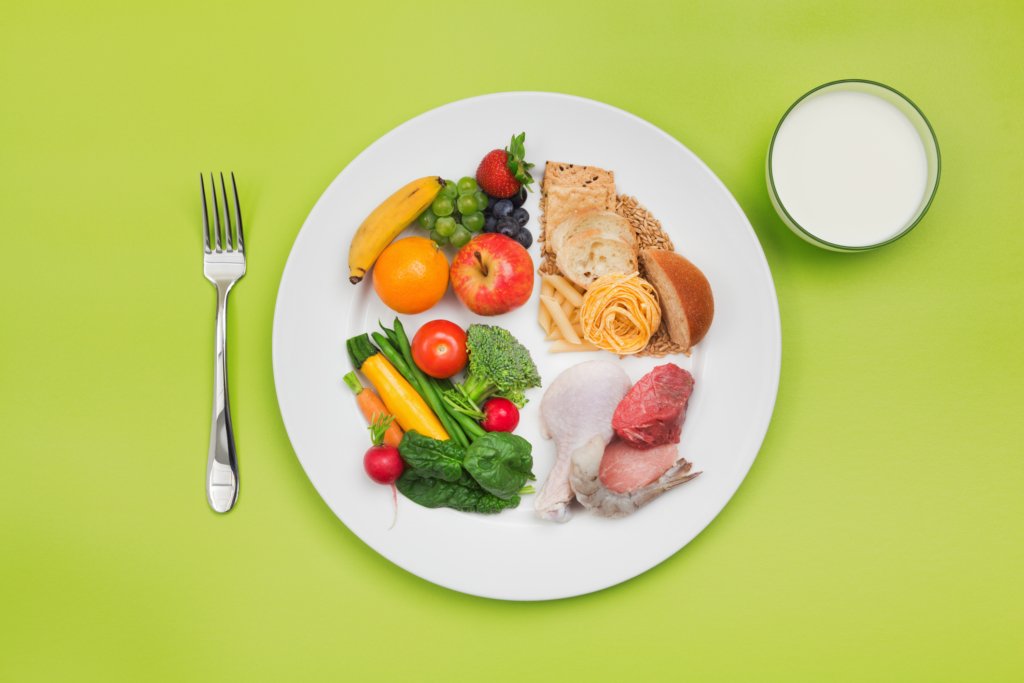
* Embracing fresh fruits, vegetables, nuts, whole grains, legumes and healthy fats.
* Avoiding processed, ultra-refined foods, excessive sugar, fried snacks, heavy saturated fats, and most importantly, unnecessary alcohol or toxic substances.
* Pairing good nutrition with a lifestyle supportive of metabolic balance — adequate hydration, regular physical activity, mindful eating, and stress management.
This balanced approach helps your liver carry out its tasks — detoxification, metabolism, energy production — smoothly and consistently, protecting you from fatty liver disease, inflammation, and long-term liver damage.
Sample Day on a Liver-Friendly Diet
* Breakfast: Oats porridge or millets daliya with nuts + a small bowl of berries or fruit slices.
* Mid-morning: A handful of walnuts/almonds or a fresh fruit.
* Lunch: Brown-rice or millet roti, dal with spinach/methi, mixed vegetable sabzi (with broccoli or cauliflower occasionally), salad tossed with extra-virgin olive oil + garlic.
* Snack: Fresh fruit or a small bowl of sprouts / nuts.
* Dinner: Grilled or lightly cooked fatty-fish (if non-vegetarian) or legumes + vegetable stir-fry + a side of leafy-green salad.
* Beverage: 1–2 cups of plain coffee or green tea (without sugar) + plenty of water.
* Use garlic, turmeric, fresh herbs in cooking for added detox support.
Final Thoughts
Your liver is a resilient yet vulnerable organ — it works hard to filter toxins, regulate metabolism and support digestion. The foods you choose to fuel your body with can either lighten its load or burden it. By embracing a wholesome, balanced diet — rooted in whole grains, plant-based foods, healthy fats, fresh produce, lean proteins (or fish), and antioxidant-rich fruits and berries — you can support your liver’s health, longevity and vitality.
At the same time, avoid over-processed, sugary or fried foods, excessive saturated fats and unnecessary alcohol, which put undue stress on your liver over time.
If you want — I can put together a 30-day liver-friendly meal plan (breakfast, lunch, dinner + snacks), which you can adapt to Indian tastes, to help readers integrate these foods easily.
Let me know — I’d be happy to build that for you.

Geetanjali- The Voice of Healthcare- a Reg, Clinical Dietician Nutritionist, Wellness-Speaker, Author, Anchor, Wellness Expert, Pod-caster, Blogger, You tuber is based in Mumbai