Prevention of Diseases Through Food and Nutrition
In today’s fast-paced world, lifestyle-related diseases are rising at an alarming rate. Conditions such as diabetes, heart disease, obesity, hypertension, digestive disorders, hormonal imbalances, and autoimmune issues are no longer limited to older age groups—they are affecting people much earlier in life. The good news is that many of these diseases are preventable, manageable, and even reversible through the right food and nutrition choices.
As a Leading Gut Nutritionist Dietician in Mumbai Geetanjali Mengi, I strongly believe that food is not just fuel—it is information for the body. What we eat every day communicates with our hormones, immune system, gut, and metabolism. When nutrition is balanced and personalized, it becomes one of the most powerful tools for disease prevention.
Food as the First Line of Defense
Our body has an incredible ability to heal and protect itself, provided it receives the right nutrients. Whole, natural foods supply essential vitamins, minerals, antioxidants, fiber, and phytonutrients that help reduce inflammation, strengthen immunity, regulate blood sugar, and support organ function.
Highly processed foods, excess sugar, unhealthy fats, and erratic eating patterns, on the other hand, contribute to chronic inflammation—one of the root causes of most lifestyle diseases. A preventive nutrition approach focuses on nourishing the body rather than simply restricting calories.
Preventing Lifestyle Disorders Through Nutrition
1. Diabetes and Blood Sugar Imbalance
Balanced meals with adequate protein, fiber, healthy fats, and low-glycemic carbohydrates help stabilize blood sugar levels. Timely meals, portion control, and mindful carbohydrate choices can significantly reduce the risk of insulin resistance and Type 2 diabetes.
2. Heart Disease and Hypertension
A heart-healthy diet emphasizes whole grains, fruits, vegetables, nuts, seeds, and good fats while limiting excess salt, refined foods, and trans fats. Proper nutrition supports cholesterol balance, healthy blood pressure, and optimal circulation.
3. Digestive and Gut Disorders
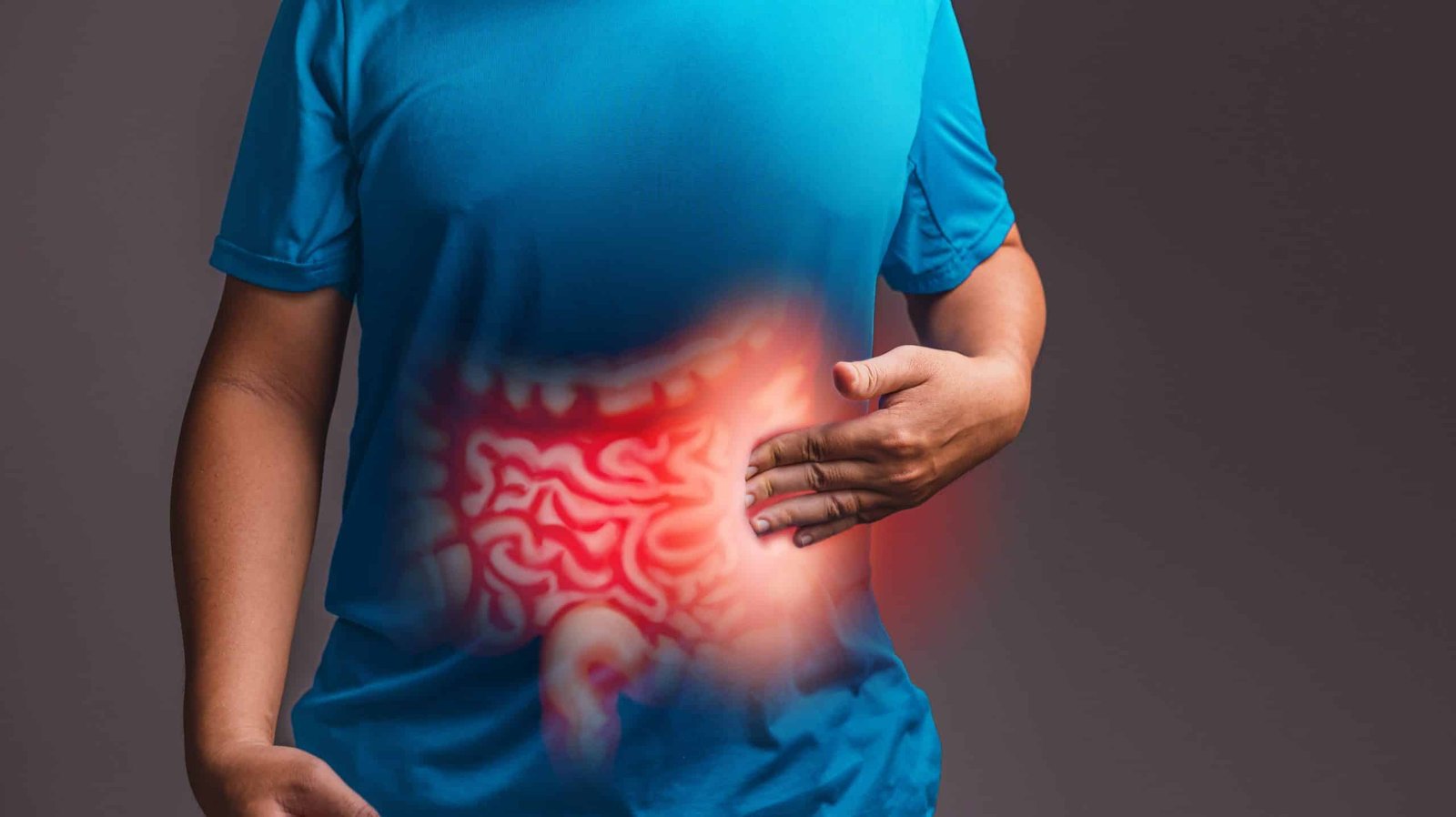
The gut plays a crucial role in immunity, mental health, and metabolism. Including fiber-rich foods, fermented foods, adequate hydration, and gut-friendly nutrients helps prevent acidity, bloating, IBS, constipation, and inflammatory gut conditions.
4. Hormonal Imbalances
Hormones respond directly to nutrition. Irregular eating, nutrient deficiencies, and extreme dieting can disrupt thyroid function, PCOS, menopause health, and stress hormones. A well-planned nutrition strategy supports hormonal balance naturally.
5. Obesity and Metabolic Syndrome
Weight gain is often a symptom of deeper metabolic imbalance. Sustainable weight management focuses on improving metabolism, preserving muscle mass, balancing hormones, and developing a healthy relationship with food—rather than crash dieting.
Strengthening Immunity Through Nutrition
A strong immune system is built daily, not just during illness. Nutrients such as protein, iron, zinc, vitamin D, vitamin C, omega-3 fats, and antioxidants are essential for immune resilience. Regular consumption of seasonal fruits, vegetables, whole foods, and adequate hydration plays a key role in preventing infections and chronic disease progression.
The Importance of Personalized Medical Nutrition
There is no one-size-fits-all diet. Age, medical history, lifestyle, stress levels, medications, and cultural preferences all influence nutritional needs. Medical nutrition therapy focuses on individualized plans that address root causes rather than just symptoms.
Preventive nutrition is most effective when it is **personalized, practical, and sustainable**. Small, consistent changes—when guided correctly—can create long-term health benefits.
Nutrition as a Lifestyle, Not a Temporary Fix
True disease prevention is not about perfection; it’s about consistency. Mindful eating, balanced meals, regular physical activity, adequate sleep, and stress management together create a strong foundation for lifelong health.
Food should empower, heal, and support—not create fear or confusion. When nutrition is understood and applied correctly, it becomes a lifelong investment in health, vitality, and quality of life.
Final Thoughts
Prevention is always better than cure. By making informed food choices today, we can reduce disease risk, improve energy levels, support mental clarity, and enhance overall well-being. Food and nutrition, when used wisely, have the power to transform health at every stage of life.

Geetanjali- The Voice of Healthcare- a Reg, Clinical Dietician Nutritionist, Wellness-Speaker, Author, Anchor, Wellness Expert, Pod-caster, Blogger, You tuber is based in Mumbai